

Nov 06 Journey to Change: Working for System Change Through a Co-Design Model
(November 6, 2026)
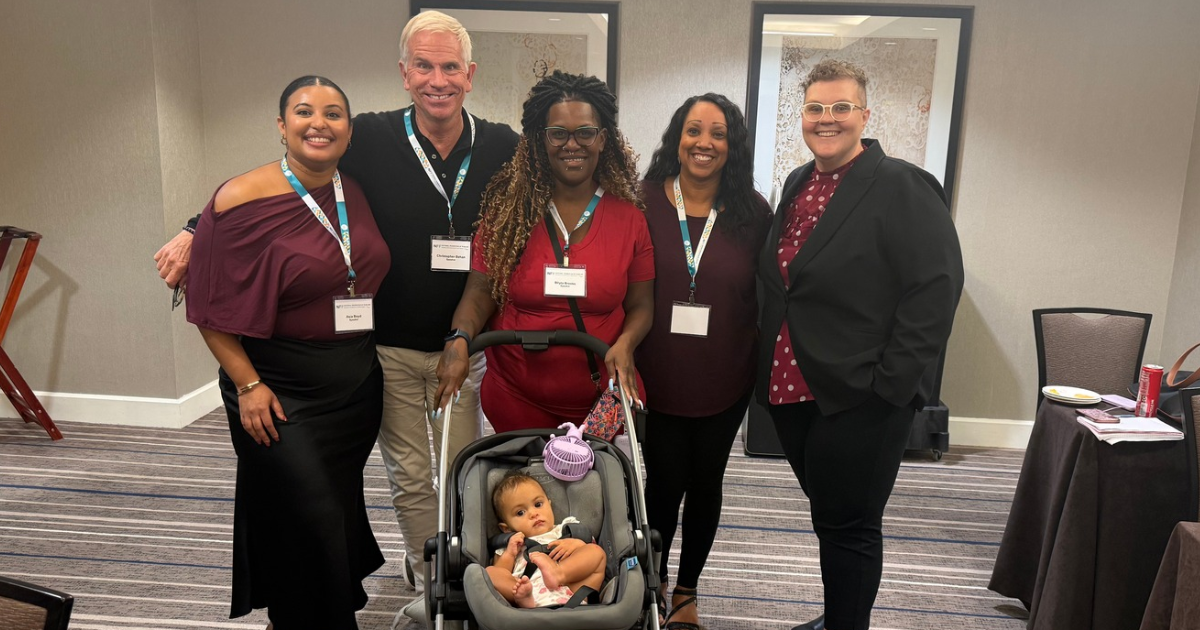
On October 12, Allies for Children had the opportunity to share Allegheny County’s journey toward ending the need for group placement at the National Federation of Families Conference in Orlando, Florida. Our presentation, “Journey to Change: Working for System Change Through a Co-Design Model,” brought together various voices who are a core part of the work, including our community-based organizations, the Annie E. Casey Foundation, Allegheny County Children, Youth and Families, and members of the Ending the Need for Group Placement Co-Design Team, including individuals with lived-experience of the child welfare system.
Having lived-experience voices at the center of the presentation was intentional. Co-design is more than asking families and young people to share their experiences. It means recognizing individuals with lived-experience as the experts and creating meaningful opportunities for people to help shape the policies, practices, and solutions that affect their lives.
One of the goals of our presentation was to explore the value of co-design and what it takes to facilitate it well. In Allegheny County, our Ending the Need for Group Placement (ENGP) work has allowed us to put co-design into practice. The work brings together people with lived-experience and people who work within the system to identify challenges, prioritize solutions, and help move those solutions toward implementation. This approach requires a willingness to share power and recognize that no single person or system has all of the answers. It also requires intentional facilitation. Creating a safe and welcoming space where everyone feels comfortable speaking openly takes intentional work. Honest conversations do not happen simply because people are invited to the table.
We also shared how Circle practice has helped create the foundation for our co-design work. Circle provides a structure for people to come together, listen to one another, and build relationships. It creates space for participants to bring their experiences and perspectives to the conversation while also working towards a shared purpose.
For our team, this has helped create an environment where lived-experience is not treated as an add-on to the work. It is part of the work.
Another important lesson learned through this work is the importance of dedicated, multisystem engagement. Ending the need for group placement is not something one organization, department, or individual can accomplish alone. It requires people from across the system—including child welfare, behavioral health, legal professionals, community organizations, advocates, parents, caregivers, and young people—to work together. Each brings a different perspective, responsibility, and ability to influence change. Bringing those perspectives together helps us see both the barriers within the system and the opportunities to address them. Multisystem engagement requires more than representation at the table. It requires shared responsibility, shared decision-making, and a commitment to ensuring that people with lived experience have real influence over developing good policies.
One of the most meaningful parts of presenting at the National Federation of Families Conference was having the opportunity to share this journey with others who are working toward better outcomes for children, youth, and families. We were open and honest with our audience that co-design is not always easy, but lasting change cannot happen without the voices and experiences of the people closest to the issues
For Allies for Children, co-design is about working with people, not for them, and ensuring the people most affected by a system have a meaningful role in changing it. We will continue to use co-design in other focus areas when it makes sense.
Heather Wilkes, Allies for Children Policy Director