

Nov 12 Midterm Election Results and What’s Next
(November 12, 2026)
Election Results
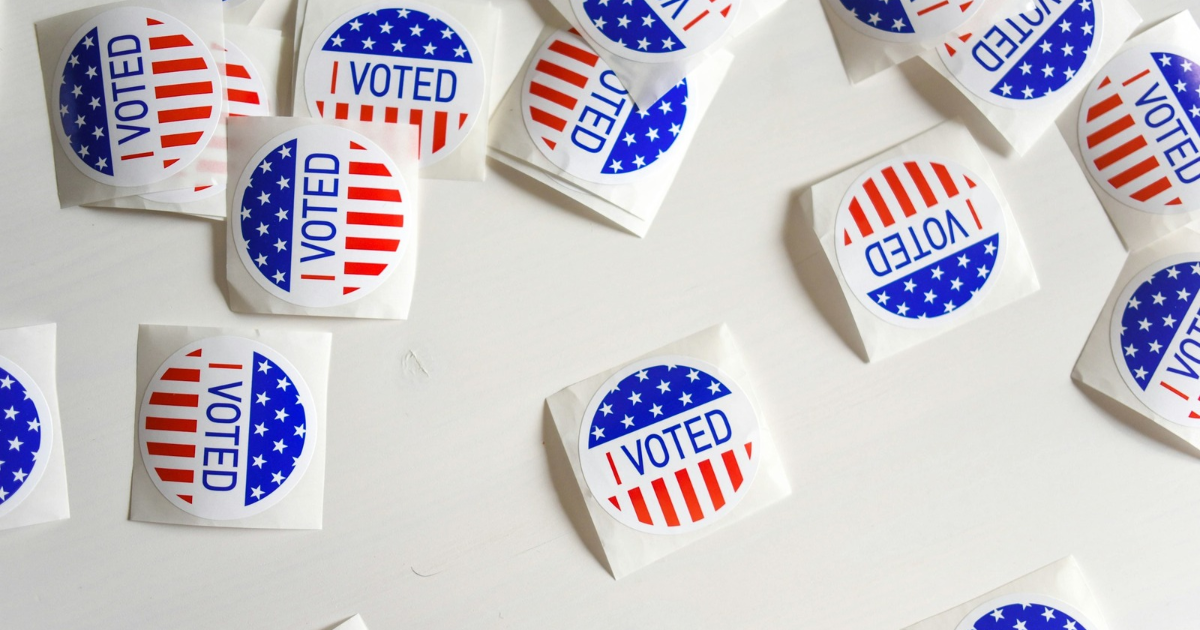
In the 2026 midterms last week, Josh Shapiro was re-elected as the Governor of Pennsylvania, and the Democrats maintained their majority in the PA State House and gained the majority in the State Senate. Currently PA is a “divided legislature,” with the Democrats controlling the State House and the Republicans in control of the State Senate. The election results will shift the political dynamics in the new year so that Democrats have a “trifecta,” leading in the Senate, House, and the Governorship.
On the federal level, Democrats also won control of the state’s representation in the U.S. House and Senate in the 2026 midterms. Democratic challengers won four Congressional seats in Pennsylvania over Republican incumbents. Meanwhile, Chris Deluzio (D), Summer Lee (D), and G. Reschenthaler (R) all maintained their Southwestern PA seats in the US Congress. In the new year, Congressional leadership will shift from majority Republican to majority Democrat in both the House and the Senate in Congress. Democrats — led by Representative Hakeem Jeffries in the House and Senator Chuck Schumer in the Senate — will usher in a reorganization of committee rosters and legislative priorities over the coming months.
Pennsylvania: What’s next?
The Shapiro administration is preparing for the Governor’s budget address in 2027. This will take place after the new legislative session begins in January, so there will be new state senate and state house members to educate during this time. In the meantime, continue to educate your current house and senate members and other decisionmakers about the issues that matter for children and families.
United States Congress: What’s next?
The U.S. Congress still has important work to do before the end of their budget session. The stopgap budget passed in September will end on December 11, 2026. In order to avoid a government shutdown, Congress will need to pass legislation to either continue the budget at current levels again or establish 2026-2027 levels of spending.
Since leadership will shift in January from Republican to Democrat in the House and Senate, policymakers are less likely to compromise during the remaining five weeks of the current legislative session. This period after an election and before the new elected officials are sworn in is known as a “lame duck” session. In addition to government funding, there are several other issues that some policymakers will be pushing in these few weeks of session that are left before the new year, such as the National Defense Authorization Act.
Allies for Children will share updates as this Congressional “lame duck” session progresses and will advocate for funding programs that support vulnerable children and families. One of our priorities will be full funding for WIC in the final appropriations bill. The current Continuing Resolution (CR) allowed WIC to serve all eligible families during the CR period, but more needs to be done in the 2027 funding bill. Not only do we want Congress to pass a bill that includes full funding for WIC to serve all eligible families in the coming year, but we also need to make virtual services permanent for WIC, so families can continue to utilize WIC telehealth. This week, the Senate Appropriations Committee released a draft text of its agriculture appropriations legislation, which includes both full funding for WIC, and permanent authority for virtual WIC certification and remote benefit issuance. You can tell your members of Congress to fully fund WIC and make virtual services permanent using the National WIC Association’s action alert here.
Cristina Codario, Allies for Children Policy Director